I guess to go along with the Queer theory and unusual art Dan showed us how to make Recycled Yarn & how to Crochet with it! Since I was not able to attend this day, I missed out on the art projects that were made. HOWEVER, my classmate who has a blog was able to attend that day, and you can see some examples of the recycled yarn, and some other things as well click here
We looked at artists
- Cayce Zavaglia
- Joana Vasconcelos (crochet drawing on sculpture)
- Michael McDowell
- Emily Barletta
- Felieke Van Der Leest (jewelry)
- Dan Steinhilber (MOA exhibit)
- Sheila Pepe (radical knitting/subversive lace)
- Carol Hummel (Tree Cozy)
- Knitta (Hollywood)
MY THOUGHTS
Recycled Yarn. How cool is that? I am really bummed I missed that day. Darn orthodontist. I think that textile art is really neat. I love knitting, and have attempted to sew, and I think that creating things such as quilts and scarves can be just as artistic as any thing else. My Mom sews and has made some incredible dresses and quilts. I think it is cool that people are starting to see that as art.
I also looked through the above artists and it was really cool to see what people do with textiles! I never would have thought that people could even do some of those things. I think that I would try to introduce my students to these different art forms and would really stress how there are many different kinds of art, it just depends on how you look at it!
Showing posts with label New Media. Show all posts
Showing posts with label New Media. Show all posts
Wednesday, April 22, 2009

Friday, March 27, 2009
Week 8 - Queer Theory & New Media
QUEER THEORY- What is it?
Is art that makes things "strange" even if it has been normalized through years of standardization. OR taking ordinary objects and turning it into something that has new meaning or redefines its purpose.
Integrated Lesson
Grade Level: 5th or 6th
Time Needed: 30-45 minutes
Exploration: Students will explore Queer theory and different artists associated with it. They will create their own piece of Queer theory art.
Objective: Students will learn that art can come in many different forms-not just the classic forms of painting or sculpture. Art can be used to make a statement or evoke a feeling.
State Standard (Utah):
Grade 5 Visual Arts Standard 3 Objective 1:
Explore possible content in art prints or works of art.
Grade 5 Visual Arts Standard 4 Objective 1:
Compare the arts of different cultures to explore their similarities and diversities.
National Standard:
Visual Arts Grades 5-8: Understanding the visual arts in relation to history and cultures.
o Students know and compare the characteristics of artworks in various eras and cultures
o Students describe and place a variety of art objects in historical and cultural contexts
o Students analyze, describe, and demonstrate how factors of time and place (such as climate, resources, ideas, and technology) influence visual characteristics that give meaning and value to a work of art
Question of Inquiry: What non-traditional forms of art are being created and what are the motivations for creating them? What has been normalized in society and how are those things being represented or questioned?
Concepts/Vocabulary: Queer Theory
Artists Discussed: Pepón Osorio, Collier Schorr, Felix Gonzales Torres, Luiz Luxvich, Martin Waugh, Fotoopa, Pablo Picasso, Manet, and
Other Subject Connections: English (Creative Writing)
Teacher Visuals/Supplies: examples of queer theory art, long, skinny balloons, permanent markers
Preparation: Collect different examples of Queer Theory art, learn different ways of making balloon animals, create animal balloon prototype with words describing a passion.
Student Materials: balloon and a permanent marker
Lesson Sequence:
Introduction:
-Define Queer Theory and discuss what it is all about.
Demonstration:
-Show works of Picasso and Manet and compare and contrast them with traditional art pieces. Discuss their motivations and how their art affected people of their time.
-Show clip from Improv everywhere (cited below) and discuss how art can be created in many different ways. It doesn’t have to be something on paper or what we would typically think of as art.
-Show works of Felix Gonzales-Torres and discuss the motivation for his pieces.
-Show Attila Csorgo and discuss context and why it is disturbing for a horse to be stuffed, but not other animals in a museum.
-Show works of Pepon Osorio and video clip (cited below). Tell stories from his culture and how they became motivation for his pieces. Share experiences that were supposed to be a celebration that ended up being traumatizing or not as they were supposed to be.
-Show water drop art and discuss whether or not the students think that they are art.
-Show works of Collier Schorr and have a discussion on her motivation. Also discuss stereotypes and the facades that are common in society.
Work Time:
-Demonstration of how to create balloon animals and show prototype
-Give examples of creative words
-Students create their own animals
-Each student will write words on his/her animal describing a passion that he/she has.
Clean Up and Management:
-Put markers away
-Place balloon animals in a designated area for the remainder of the school day
Closure:
-Review Queer Theory and the idea that art can be expressed in many different ways.
Assessment:
-Class discussion about the artists (what did they like? how did each artist’s culture influence his/her work?, ect.)
-Students volunteer to share their balloon animals with the class and the words they used to describe their passion.
Reflection: We could add more emphasis on the cultural influences that motivated the artists discussed and show more historical examples of Queer art and how they were “strange” for their time period.
Resources and References:
Felix Gonzales-Torres
http://www.queerculturalcenter.org/Pages/FelixGT/FelixBio.html
http://www.cmoa.org/international/html/art/gonzalez-torres.htm
http://www.huliq.com/22244/felix-gonzalez-torres-represent-exhibiti...
http://www.queerculturalcenter.org/Pages/FelixGT/FelixIntro.html
Pepon Osorio
www.chicano.ucla.edu/research/PEPONOSORIO.html
http://americanart.si.edu/collections/exhibits/kscope/osorioexhfram...
http://www.pbs.org/art21/slideshow/?slide=965&showindex=78
“No Crying allowed in the Barbershop” video: http://www.pbs.org/cgi-registry/mediaplayer/videoplayer.cgi?playera...
Collier Schorr
http://www.pbs.org/art21/artists/schorr/index.html
http://www.andrew-wyeth-prints.com/helga.html
Improv Everywhere Video:
http://laughingsquid.com/111-shirtless-men-go-shopping-at-abercromb...
State Standards:
http://www.uen.org/core/
National Standards:
http://www.education-world.com/standards/national/toc/index.shtml
POWER POINT
Reflection:
I unfortunately was not able to attend this lesson, and I am sad I missed it! It looked like it was a really interesting theory and a very fun lesson. I think a fun way to integrate this into a curriculum would be to talk about the animal kingdoms or the food chain. Students could make different animals from the different kingdoms and we could set up a class display. I think it would be way fun.
OTHER PROTOTYPES:

 The real deal
Is art that makes things "strange" even if it has been normalized through years of standardization. OR taking ordinary objects and turning it into something that has new meaning or redefines its purpose.
Integrated Lesson
Queer Theory and Balloon Animals
Teachers: Rachael Haught and Natalee Biggs
Title: Queer TheoryTeachers: Rachael Haught and Natalee Biggs
Grade Level: 5th or 6th
Time Needed: 30-45 minutes
Exploration: Students will explore Queer theory and different artists associated with it. They will create their own piece of Queer theory art.
Objective: Students will learn that art can come in many different forms-not just the classic forms of painting or sculpture. Art can be used to make a statement or evoke a feeling.
State Standard (Utah):
Grade 5 Visual Arts Standard 3 Objective 1:
Explore possible content in art prints or works of art.
Grade 5 Visual Arts Standard 4 Objective 1:
Compare the arts of different cultures to explore their similarities and diversities.
National Standard:
Visual Arts Grades 5-8: Understanding the visual arts in relation to history and cultures.
o Students know and compare the characteristics of artworks in various eras and cultures
o Students describe and place a variety of art objects in historical and cultural contexts
o Students analyze, describe, and demonstrate how factors of time and place (such as climate, resources, ideas, and technology) influence visual characteristics that give meaning and value to a work of art
Question of Inquiry: What non-traditional forms of art are being created and what are the motivations for creating them? What has been normalized in society and how are those things being represented or questioned?
Concepts/Vocabulary: Queer Theory
Artists Discussed: Pepón Osorio, Collier Schorr, Felix Gonzales Torres, Luiz Luxvich, Martin Waugh, Fotoopa, Pablo Picasso, Manet, and
Other Subject Connections: English (Creative Writing)
Teacher Visuals/Supplies: examples of queer theory art, long, skinny balloons, permanent markers
Preparation: Collect different examples of Queer Theory art, learn different ways of making balloon animals, create animal balloon prototype with words describing a passion.
Student Materials: balloon and a permanent marker
Lesson Sequence:
Introduction:
-Define Queer Theory and discuss what it is all about.
Demonstration:
-Show works of Picasso and Manet and compare and contrast them with traditional art pieces. Discuss their motivations and how their art affected people of their time.
-Show clip from Improv everywhere (cited below) and discuss how art can be created in many different ways. It doesn’t have to be something on paper or what we would typically think of as art.
-Show works of Felix Gonzales-Torres and discuss the motivation for his pieces.
-Show Attila Csorgo and discuss context and why it is disturbing for a horse to be stuffed, but not other animals in a museum.
-Show works of Pepon Osorio and video clip (cited below). Tell stories from his culture and how they became motivation for his pieces. Share experiences that were supposed to be a celebration that ended up being traumatizing or not as they were supposed to be.
-Show water drop art and discuss whether or not the students think that they are art.
-Show works of Collier Schorr and have a discussion on her motivation. Also discuss stereotypes and the facades that are common in society.
Work Time:
-Demonstration of how to create balloon animals and show prototype
-Give examples of creative words
-Students create their own animals
-Each student will write words on his/her animal describing a passion that he/she has.
Clean Up and Management:
-Put markers away
-Place balloon animals in a designated area for the remainder of the school day
Closure:
-Review Queer Theory and the idea that art can be expressed in many different ways.
Assessment:
-Class discussion about the artists (what did they like? how did each artist’s culture influence his/her work?, ect.)
-Students volunteer to share their balloon animals with the class and the words they used to describe their passion.
Reflection: We could add more emphasis on the cultural influences that motivated the artists discussed and show more historical examples of Queer art and how they were “strange” for their time period.
Resources and References:
Felix Gonzales-Torres
http://www.queerculturalcenter.org/Pages/FelixGT/FelixBio.html
http://www.cmoa.org/international/html/art/gonzalez-torres.htm
http://www.huliq.com/22244/felix-gonzalez-torres-represent-exhibiti...
http://www.queerculturalcenter.org/Pages/FelixGT/FelixIntro.html
Pepon Osorio
www.chicano.ucla.edu/research/PEPONOSORIO.html
http://americanart.si.edu/collections/exhibits/kscope/osorioexhfram...
http://www.pbs.org/art21/slideshow/?slide=965&showindex=78
“No Crying allowed in the Barbershop” video: http://www.pbs.org/cgi-registry/mediaplayer/videoplayer.cgi?playera...
Collier Schorr
http://www.pbs.org/art21/artists/schorr/index.html
http://www.andrew-wyeth-prints.com/helga.html
Improv Everywhere Video:
http://laughingsquid.com/111-shirtless-men-go-shopping-at-abercromb...
State Standards:
http://www.uen.org/core/
National Standards:
http://www.education-world.com/standards/national/toc/index.shtml
POWER POINT
Reflection:
I unfortunately was not able to attend this lesson, and I am sad I missed it! It looked like it was a really interesting theory and a very fun lesson. I think a fun way to integrate this into a curriculum would be to talk about the animal kingdoms or the food chain. Students could make different animals from the different kingdoms and we could set up a class display. I think it would be way fun.
OTHER PROTOTYPES:

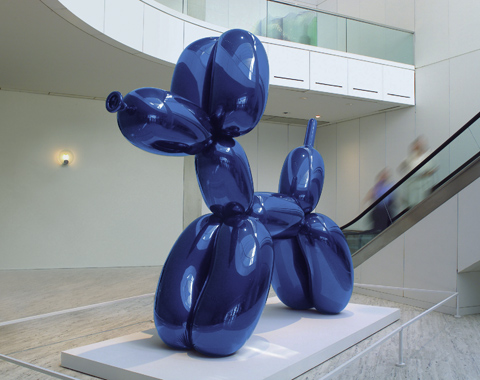 The real deal
Subscribe to:
Posts (Atom)